Will The New British Government NHS Staffing Plan Work? I Don’t Think So! Part Four

How to tackle the NHS staffing crisis

As a result of my heart valve replacement surgery, I take warfarin daily to keep my blood thin. To ensure my blood maintains the recommended consistency, I perform regular blood test. When I started the medication a few years ago, I attended the anticoagulation clinic regularly.

Attending the clinic meant my life was restricted since my appointments depended on my blood consistency. After a few months, I was informed I could purchase my own tester and self-test. Knowing I could self-test was liberating. I was able to regain control of my life.

Well, not exactly. I still have to call in my reading to the clinic every time I test. For the life of me, I cannot explain the reason I need to engage in such an exercise. When I asked at the clinic, I was told it was to allow the nurses to advise me on the correct dosage. But the current version of the testing machine also recommends dosage. So, why do I need to be calling the clinic when the machine can tell me the dosage?

I personally think the clinic exists in its current form purely to provide employment for the staff. I think they do not want to go and work on the wards. 

Technology Exits to Solve a Problem

How to tackle the NHS staffing crisis

In ‘Beyond The Goal’ author Eli Goldratt said “Technology can bring benefits if, and only if, it diminishes a limitation.” The goal of the self-testing machine is to reduce the need for the patients to attend the clinic, which should in turn reduce the need for staff. However, even with the availability of the machine, staff simply developed a different way of retaining their jobs.

My interest in healthcare reform was sparked after the death of a close friend of mine due to a late cancer diagnosis. Like my friend, there are hundreds of thousands of people who die from cancer each year due to late diagnosis. The technology that could have saved the life of my friend and the hundreds of thousands of others exist. So, why did my friend die? Why were the medical professionals unable to save my friend’s life? How much did it cost the NHS to look after my friend after the terminal diagnosis? How many NHS staff members were involved in his treatment?

What if the very first time he reported to his General Practitioner (GP) that he was unwell, he was tested for cancer at the GP’s office? First, he probably would still be alive today. Second, it would have required less manpower and less resources to treat him at that stage.

Remember Eli Goldratt assertion, “Technology can bring benefits if, and only if, it diminishes a limitation.” If cancer diagnostic technology exists and ten million people continue to die from cancer each year, it means the technology is not diminishing the limitation. Medical science and diagnostic technologies have improved beyond our ability to take advantage of them. Our ability to take full advantage of healthcare technology will drastically reduce the need for additional NHS staff. Therefore, if the UK government is serious about reducing NHS staff shortage, a big focus has to be on the effective use of healthcare technology.

Will The New British Government NHS Staffing Plan Work? I Don’t Think So! Part Three

How to tackle the NHS staffing crisis

In his book “Blackbox Thinking”, author Matthew Syed told the story of an incident in an operating theatre. A patient had an allergic reaction to the surgeon’s latex gloves. The anaesthetist informed the surgeon and recommended a change to non-latex gloves, but the surgeon refused. He relented only after the anaesthetist threatened to call the hospital administrator. After the change of gloves, the patient’s negative reaction ceased.

Syed told the story to highlight some of the causes of preventable medical errors. His point was: if the anaesthetist had not insisted the surgeon change his gloves, the patient would have died, and the cause of death would have been attributed to something else. Syed highlights three primary reasons for medical error:

  • the complexity of medicine,
  • the lack of resources,
  • the rapidity of decision making in medicine.

I agree with the three constraints highlighted by Syed as reasons medical professionals make mistakes but disagree with his reasoning concerning why those constraints lead to medical error. Those constraints do not arise because medicine is more complex than other professions. Nor do they occur because of resource constraints or the need for swift decisions by medical professionals. They arise because medical professionals are not trained to cope with the complexity of their job.

The Complexity of Medicine


How to tackle the NHS staffing crisis

While medicine is complex, it is not more complex than most professions. We have been conditioned to believe that the hard sciences are more complex than the soft sciences. The reality is hard science is formulaic. Additionally, the time required to learn a profession does not automatically equate to increased complexity. The time it takes to complete medical education does not necessarily equate to the complexity of the field.

Is a neurosurgeon performing brain surgery in an air-conditioned office in the centre of London performing a more complex task than a firefighter rushing into a burning building with a mother screaming that her baby is inside the building?

Is brain surgery more complex than the 16-year-old kid patrolling the centre of Kabul with Taliban fighters on every rooftop trying to blow his brains out? Is brain surgery more complex than a teenage nursery attendant attempting to calm a screaming three-year-old child left at the nursery for the first time by a weeping mother? Is performing brain surgery more challenging than these situations?

Some may argue that they cannot be compared because they are different. That’s the point. They are separate professions; therefore, the magnitude of complexity for each differs. Granted, the nursery attendant might not be engaged in a life or death task. What about the firefighter or the kid patrolling the streets of Kabul — would you suggest that their tasks are not life or death situations?

Or what about air traffic controllers? Would anyone suggest the surgeon’s work is more complex than air traffic control? What if planes fell out of the sky because of air traffic control errors? Would we shrug our shoulders in acceptance because air traffic control is a complex task?

Despite the complexity of firefighting, patrolling a war zone, or air traffic control, fatalities are reduced in those professions because their recruits are well-trained. The problem with the medical profession — and ultimately why patient outcomes have not improved — is that medical professionals do not receive the level of training commensurate with the demands of their job. Complexity is simply an excuse for inadequate training.

Lack of Resources

How to tackle the NHS staffing crisis

At the height of the Covid-19 pandemic, when every newspaper in the UK was plastered with images of ambulances queuing for hours outside hospitals in London, a video of empty hospitals outside of London went viral. Even the Nightingale hospitals were standing idle instead of being staffed and open to patients. Medical professionals were overwhelmed and burnt out in some parts of the country, while in other parts of the country medical professionals were chilling out.

The issue then was not a lack of resources but lack of resourcefulness. Second only to defence, healthcare receives the highest allocation of resources in the UK. So, why does healthcare care lack resources? It is simply because of inaccurate and faulty thinking amongst medical professionals. And what is the root cause of such flawed thinking? The training methodology for medical professionals.

The Need for Rapid Decision Making in Medicine

How to tackle the NHS staffing crisis

Syed wrote that medical professionals often find themselves in situations where they need to make quick decisions, leading to medical errors. I wholeheartedly agree with this analysis. However, I question why this is the case. Why do medical professionals make errors when forced into swift decision-making?

There are two answers to this question.

Firstly, the medical profession has failed to understand that the practice of medicine is more than just clinical competencies. Secondly, a medical professional is “conditioned to function like a well-programmed computer that operates within a strict binary framework.”

The military understands that in addition to weapons training, personnel must acquire other relevant training to operate as independent units. They know that a 16-year-old kid manning a checkpoint in the centre of Kabul with a car speeding towards him has no time to call mission control for instructions. He has milliseconds to act or be blown to smithereens. Consequently, military personnel are trained to improvise when faced with uncertainty.

The problem with medicine is that medical professionals are not taught how to improvise under fire. Medical professionals lack the capacity to create workable solutions in chaotic situations. This is one of the reasons A&Es are constantly chaotic. Medicine is not the only profession that demands rapid decision capability. Even though medical professionals are required to make rapid decisions, they are not trained how to do so. It is not the situation; it’s the training.

This word of wisdom from the late Queen might explain this point better:

“Like the small soldier, I was giving a gallantry award…, and I said it was a very brave thing to do… “Oh,” he said, “It was just the training.” And I have a feeling that in the end, probably, that training is the answer to a great many things. You can do a lot if you are properly trained…and I hope I have been.”1: 00:21:32 – 00:22:01

Queen Elizabeth II

Will The New British Government NHS Staffing Plan Work? I Don’t Think So! Part Two

Reimagining healthcare

In my book ‘Reimagining Healthcare’, I told the story of Sarah Harding, the late UK Girls Aloud star who died following a delay in her cancer treatment.

In August 2020, Sarah announced she had been diagnosed with metastasised cancer. She revealed that when she first noticed lumps under her arms, she ignored them. However, an MRI scan was quickly scheduled for her when she visited her doctor months later.

Then, “Coronavirus hit, and everything either went into slow motion or stopped altogether,” she explained. With treatment halted because of Covid-19, Sarah’s only option was to wait and hope for the best. But when it comes to cancer, hope is not a strategy — cancer does not stop growing because of Covid-19.

When she was finally offered an appointment, the cancer had already spread to other organs of her body. It became a race against time to stop the spread and hope for a miracle. But miracles are rare in cancer country. The brutality of the treatment itself is enough to batter the body into submission.

Secondary Covid Death

How to tackle the NHS staffing crisis

I am writing about Sarah’s story because she was a mega star. But there were tens of thousands of people who died because their treatments were delayed due to Covid restrictions. The official Covid-19 death toll is approximately 15 million. However, millions of secondary deaths like Sarah’s are indirectly linked to the pandemic — even though they were not recorded as Covid-19 deaths. A woman who lost her daughter after her chemotherapy was paused on the first day of the March 2020 lockdown lamented that people like her daughter are victims no one remembers.

The number of people waiting for medical appointments in the UK has risen to over seven million. The Institute for Public Policy Research predicts it could take up to ten years to clear the backlog brought about by the pandemic.

Why was it necessary to pause the treatments of others to focus exclusively on Covid-19 patients? It might seem obvious that in emergency situations like Covid-19, every other procedure had to be deprioritised to tend to the pandemic. But with our level of sophistication, why were we unable to treat Covid-19 patients and cancer patients like Sarah? Why were medical professionals and hospital administrators forced to choose between saving Covid-19 patients and saving Sarah?

NHS Outdated Healthcare Business Model

How to tackle NHS staff shortage

Many people reading this might conclude that nothing could have been done — it was a situation forced upon us. But was that the case? Was there not something that could have been done? I guess the question worth asking is: how could this situation have happened in the 21st century with our level of technical capability?

The answers to the above questions are simple. The science of medicine has developed beyond our ability to utilise it. But the profession of medicine remains frozen in the 19th century. We could not treat Covid-19 and other patients simultaneously because we still use a 19th century medical care business model.

Today’s healthcare system was built at a time when healthcare demands were different from current needs. A century ago, constraints like transportation made general hospitals a necessity. Today, an individual can travel great distances with relative ease for medical treatment. The advancements in transportation have made general hospitals less necessary and largely undesirable in favour of specialised hospitals.

If we had specialist cancer-care hospitals, people like Sarah would have gotten their treatment. Meanwhile, general hospitals and purposely designated infectious disease hospitals would have handled Covid-19 patients.

The current healthcare business model does not benefit anyone. It does not satisfy patient needs nor the needs of medical professionals. It is an outdated system that allows patients to die unnecessarily and forces medical professionals to work until they burn out. If the British government is serious about tackling the NHS staffing shortage, it needs to focus on redesigning the current NHS business model to one that is fit for the 21st century.

The NHS At 75, Time For Healthcare Business Model Innovation

NHS at 75, time for business model innovation

Two years ago, we celebrated my mother’s seventieth birthday in the US. All her children were present except yours truly. This was the time when Covid was very much around. I was not prepared to take the chance by flying to the US in the middle of Covid. What would have happened if I caught Covid in the US?

You might be thinking to yourself, the US is not a developing country. If I caught Covid, I was going to be treated in a modern health facility. So, what’s the big deal. Well, I am used to being unwell, going to hospital and being treated without being questioned about the type of health insurance I have. That is the big deal.

I lived in Holland for a few years. So, I know a thing or two about the health insurance business. At least the Dutch will not leave a seriously ill person to die if they were uninsured. The Yanks, I will not put it pass, so I was not prepared to chance it.

One develops such a thought process after living in the UK for a long time. The NHS is free at the point of use. You don’t get rushed to an NHS hospital lying on a gurney, gasping for breath, and instead of attempting to save your life, you get asked the type of insurance you have.

The idea of the NHS being free at the point of use was one of the biggest inventions of the 20th century. It revealed the Brits decency and respect for human life. But ideology aside, has the NHS lived up to its expectation? Is the NHS really free at the point of use? It depends on your definition of free. Let me outline the current state of the NHS and you can make up your own mind whether the concept of free at the point of use still holds validity.

The Current State of the NHS

How to tackle the NHS staffing crisis

As I write this article, junior doctors are on strike over pay. Consultants are due to embark on their own strike soon. Around 7.42 million people are on treatment waiting list. Ambulance wait time is an average of an hour and a half. After arriving in the hospital, people spend over 12 hours on gurneys awaiting treatment. The 4-hour A&E wait time metric has not been met since 2015. Patients wait up to 12 hours at the A&E. More than 13,000 people declared medically fit are stuck in hospitals over a lack of suitable discharge facilities.

So, what is responsible for the NHS’s declined from one of the greatest inventions to patients’ worst nightmare?

Lack of Business Model Innovation

How to tackle the NHS staffing crisis

The NHS is plagued with the same malady infecting most healthcare establishments. The lack of business model innovation. Medical science and medical diagnostic technology have evolved beyond our imagination. However, healthcare delivery remains stuck in the 19th century.

Most of the maladies that plagued humanity in the 18th and 19th centuries when the current healthcare business model was developed have been eradicated. The illnesses that plague us today are diseases of affluence that the current healthcare business model was not designed to tackle.

But because those responsible for NHS reform confuse the advancement in medical science with healthcare delivery, they continue to shore up the outdated healthcare business model. Hoping it would miraculously deliver on the NHS’s promise.

Albert Einstein once gave a test to his students. As he left the classroom after administering the test, his assistant asked him, ‘Dr. Einstein was this not the same test you gave to the students last year?’ “Yes” Dr. Einstein responded. “Why did you give the students, the same test you gave them last year?” she continued. Dr. Einstein responded, ‘Because the answers have changed’.

Except the UK government and NHS bosses realise that the answers to healthcare delivery has changed from 75 years ago, the chances of the NHS celebrating another 75th birthday is very, very slim.

Will The New British Government’s NHS Staffing Plan Work? I Don’t Think So! Part One

How to tackle the NHS staffing crisis

The UK government recently unveiled a fifteen-year staffing plan for the National Health Service (NHS). Currently, one in ten NHS posts remains unfilled. Meaning there are about a hundred and ten thousand vacancies in the NHS.

The government has proposed a 15-year NHS staffing plan that includes:


• ramping up the places for medical doctors within medical schools to 15,000 per year

• increasing by 50% the GP trainee places for junior doctors

• increasing to 24,000 per year the medical school places for nurses and midwives

• increasing the number of nursing associates training places to 10,000 by 2031

As laudable as the above initiatives might appear, they will not solve the NHS staffing problems. They’re simply good prescriptions but to the wrong diagnosis. Increasing NHS man power is necessary but not sufficient to tackle the NHS staffing crisis. This is because the NHS staffing crisis has little to do with man power shortage.

The problem of NHS staffing crisis is structural. Except the government tackles the structural issues bedevilling the healthcare sector, any proposed initiative will simply be band aid.

There are five root causes of the NHS staffing crisis:

• limited preventive healthcare initiative,

• an outdated healthcare business model,

• inability to make effective use of technology,

• outdated healthcare regulations,

• outdated medical school training.

In this article, I will address the first of the five. I will address the rest in subsequent articles.

Limited Preventive Healthcare Initiatives

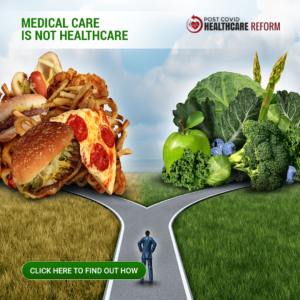
The ‘H’ in NHS stands for health. However, the NHS’ current business model focuses on medical care instead of healthcare. Most people’s understanding of health care is limited to the activities that occur when they visit their medical facilities. Activities such as the diagnostic processes of giving blood, scanning, undergoing X-ray, biopsy or other tests, then receiving test results and prescription.

Those activities are aspects of medical care not healthcare. Medical care accounts for only around 10% of healthcare. The remaining 90% of healthcare involves lifestyle choices such as diet, exercise, living environment and financial capabilities.

However, because we are used to using both phrases interchangeably, most people conflate health care with medical care. As a result of the confusion between health care and medical care, the large percentage of healthcare resources are spent on prescription and treatment rather than prevention and recovery.

While prescription and treatment increase the unending demand for healthcare professionals, prevention reduces the demand. But prevention is difficult for politicians to sell to the public. Politicians know Brits are emotionally attached to their NHS. So, instead of offering solutions that will effectively resolve the NHS staffing crisis, they propose solutions that make good sound bites.

First Thing First

Step one for tackling NHS staffing crisis is to reduce the need for medical professionals by instituting effective preventive healthcare measures.
The world-renowned Dr. Albert Schweitzer once said, “The witch doctor succeeds for the same reason the rest of us succeed…Each patient carries his own doctor inside him. They come to us not knowing the truth. We are at our best when we give the doctor who resides within each patient a chance to go to work.”

So, the most effective strategy for reducing NHS staffing crisis is to do what Dr. Schweitzer recommended, activate the doctor that resides inside each patient?

Activating the doctor inside patients first requires an understanding of the root cause of the diseases that plague them. According to Hippocrates “Disease sprang from natural and physical causes from the patient’s environment, diet, and daily habits rather than Divine punishment or evil spirits.” So, he recommended, “Let food be thy medicine, and let thy medicine be thy food. He who does not know food cannot understand the diseases of man.”

I alluded to the fact that 90% of healthcare involves lifestyle choices such as diet, exercise, living environment and financial capabilities. For the sake of brevity, I will focus on diet in this article because our diet accounts for the lion share of our lifestyle choices.

Die Young As Late As Possible
How to tackle the NHS staffing crisis

In his book “Can Medicine be Cured” author Seamus O’Mahony wrote that from the 1800s up to the 1930s the major killer diseases were tuberculosis, tetanus, syphilis, rheumatic fever, pneumonia, meningitis, polio, and septicaemia. By the middle of the twentieth century, almost all of those diseases were either eradicated or brought under control.

According to WHO, the major killer diseases that currently plague humanity are: heart disease, stroke, chronic obstructive pulmonary disease, lower respiratory infections, neonatal conditions, trachea, bronchus, lung cancers, Alzheimer’s disease and other dementias, diarrhoeal diseases, diabetes mellitus, and kidney diseases.

In contrast to the diseases that plagued humanity in the 18th and 19th centuries, the major diseases responsible for the death of millions each year are diseases of affluence directly linked to our lifestyle. I am sure most people reading this paragraph will frown at the suggestion that the diseases we suffer are diseases of affluence. They will prefer the genetic explanation.

I empathise with the genetic lottery explanation and wish that was the overwhelming cause. But alas that is not the case. In the extreme minority of cases, some people are dealt a bad gene. However, in the majority of cases, lifestyle choices are the root causes of our illnesses. So, what does that mean for NHS staffing crisis? It means if the UK government is serious about tackling NHS staffing shortage, it needs to first tackle the reasons people make bad lifestyle choices.

The UK population is currently 67 million and the doctor patient ratio in the UK is currently 1 to 31. The UK population will grow to about 71 million by the time the government’s 15-year plan is fully implemented. This means that by the time the current plan is implemented, the need for NHS staff would have increased. Meaning the government at the time would need to develop another 15-year plan to tackle NHS staffing crisis. As of this writing, the NHS waiting list remains as high as three million. It’s only going to continue to grow.

How to Effectively Tackle the NHS Staffing Crisis?
How to tackle the NHS staffing crisis

I will suggest the UK government starts with preventative healthcare measures. But prevention is not a vote winner. Which government would like to focus on a plan that is not a vote winner irrespective of its effectiveness? Those who argue that preventative healthcare measures do not work or that the population will refuse to comply might want to consider the smoking ban.

The smoking ban has had a massive impact on smoking habits. Smokers did not voluntarily submit to the ban. Slowly, very slowly, smokers realised the high cost associated with the habit, so many were forced to quit.

Just like smoking, there are several lifestyle regulatory measures the government could enact that would drastically reduce the unnecessary deaths and suffering people currently endure. That would reduce the need for additional NHS staff.

I realise implementing a number of those measures even though good for the national health, would be political suicide. So, no government would want to vote itself out of office. However, there is one measure the government could enact that could almost half the rate of diseases and its associated deaths and reduce the need for additional NHS staff. That measure is sugar restriction.

The root cause of almost all the diseases that plague humanity today is metabolic syndrome. Metabolic syndrome as defined by the NHS’ own website is the medical term for a combination of diseases including: diabetes, high blood pressure (hypertension) and obesity. It is these diseases that result in coronary heart disease, stroke and other conditions that affect blood vessels.

And the deep rooted cause of metabolic syndrome is sugar. In his book ‘Fat Chance’ author Robert Lustig revealed that there were 151 million diabetics in the world in 2000. Projections suggested that number would increase to 221 million a decade later, but the actual numbers were a staggering 285 million. That is 64 million in excess of the projections. Four years later the number was 422 million. By 2019 the number had reached 469 million; by 2020, it was 537 million. Currently the projection for 2030 is 568 million.

The primary pathology for diabetics is insulin resistance. Insulin resistance is a metabolic issue that results in cardio metabolic disease. When the human body is incapable of regulating blood sugar, it becomes insulin resistant. Meaning the body becomes resistant to the effect of insulin.

Some symptoms of insulin resistance include increased belly fat, increased inflammation, increased cortisol, increased stress hormones, abnormal cholesterol, fatty liver, and lower hormone levels.

Insulin resistance also drives cancer cells and shrinks the hippocampus. The hippocampus is part of the limbic system that plays a critical role in the consolidation of information from short-term to long-term memory, and is responsible for navigation in spatial memory.

Insulin resistance is directly linked to sugar intake, and sugar and refined starch are drivers for abnormal metabolic function. Sugar is the primary cause of all chronic diseases including cancer, dementia, and diabetes. Diseases that result from the body’s inability to regulate blood sugar.

The Epic interact study revealed that for every single sugar-sweetened beverage consumed, the risks for diabetes is increased by 29%. Considering the fact that the average person consumes 2.5 that amount of beverage daily, the risk of developing type-2 diabetes rises to 72%.

An analysis of data from Food and Agricultural organization statistics database for type-2 diabetes worldwide during a ten year period showed that the predictor for diabetes changed with sugar availability. The data showed that the consumption of an extra 150 calories in food resulted in diabetes prevalence only 0.1% of the times. However, if the same 150 calories came from sugar-sweetened beverage, the diabetes prevalence went up 11 fold or 1.1%. The studies found that the higher the amount of sugar consumed and the longer the sugar is consumed, the higher the risk of developing type-2 diabetes. Studies done at Harvard showed that sweet molecules in sugar suppresses three of the enzymes involved in fatty acid beta oxidation process.

Forty-five percent of all adults and 25% of children suffer from fatty liver disease. A new phenomenon that appeared after 1980. An individual with fatty liver disease is three times more likely to develop diabetes. Children develop liver fat from sugar consumption. Sugar is a mitochondrial toxin that has poisoned the entire food system. Cheaper professed foods, which are the predominant types of food available on the market are high in sugar and low in fiber. Adding fructose to the diet causes the liver to store increased fat which negatively impacts the liver and the entire metabolic functioning of the body. In addition to fatty liver and fatty liver disease, sugar also contributes to irritability, violent behaviour, cognition problems, adult dementia, tooth decay and heart disease.

Why Did I Focus on Sugar?


How to tackle the NHS staffing crisis

As I am writing this article, France is ablaze. The police killing of a teenager from a deprived neighbourhood ignited the sweltering tension hiding under the surface of French society. To placate the community, French authorities have promised a billion Euro to be spent in deprived communities in France. But this is not the first time there has been rioting in France, and this is certainly not the first time French authorities have poured billions into deprived communities with no tangible result.

After the death of George Floyd and the resultant global demonstrations, the US and other Western governments poured billions into deprived communities in a bid to placate community members. What was the result of those billions spent? Nothing changed. Then there are the climate change protests and the ‘end poverty’ campaigns that simply end up enriching a handful of people.

Why don’t those initiatives work even though they are good intentioned? It’s because of two reasons. One, they do not tackle the deep rooted structural issues. Two, they are not directed at specific outcomes.

I started this article with the news of the UK government 15-year NHS staffing plan. I said I believe it would not work because they failed to address the deep rooted structural issues facing the NHS. Then I introduced the role of sugar in fermenting diseases. I alluded to the fact that there are lots of negative lifestyle choices breeding illness. However, to attempt to tackle all of them would be to tackle none. So, instead of trying to tackle every single thing responsible for illness, I have decided to choose the most important one which is sugar.

In the book ‘Theory of Constraint’ author Eli Goldratt, said any system, no matter how complex it might appear, has a single constraint that if removed, will resolve all the bottlenecks confronting the system. I believe the single constraint responsible for ill-health is sugar. Solving the sugar problem will have a massive impact on the health of the nation.

In his book ‘Only the Paranoid Survive’ author and former Intel CEO Andy Grove introduced the concept of strategic inflection point. Strategic inflection point according to Grove, is a point of fundamental change in a business or industry.

The healthcare industry is at a strategic inflection point. As I pointed out earlier, the diseases that plagued humanity a century ago have been eradicated. The healthcare industry is confronting a new set of diseases in the form of chronic diseases. These diseases are thriving and exploding as there are more people in the world to infect, people are more sedentary, and processed foods have essentially become the staple diet.

The architecture of our current healthcare infrastructure was designed to treat different type of patients. So, instead of prescribing treatments that worked for the 18th or 19th century healthcare environment, the UK government needs to prescribe treatments that takes into account the demands of the 21st century healthcare environment.

 

How to Tackle NHS Staff Shortages


On the front page of almost every major newspaper in the UK today is the story that the National Health Service (NHS) is facing its worst staffing crisis in its history.

A report produced by Commons health and social care select committee headed by the Former Health Secretary, Jeremy Hunt, highlighted the fact that the NHS is short of 12,000 hospital doctors and more than 50,000 nurses and midwives.

The proposed solutions include the re-examination of the NHS’ pension arrangements that encourage early retirement of doctors, a change in the employment requirements for medical professionals from other developed countries, and increased pay for nurses.

While all of the proposed solutions are brilliant on paper, they do not tackle the root causes of the NHS’ staff shortage. So, what are the root causes of the NHS staff shortage?

Root Causes of NHS Staff Shortage

There are two root causes of NHS staff shortage:

  • Outdated healthcare business model.
  • Outdated medical education.

Outdated healthcare business model

In my soon-to-be-published healthcare reform book, I ask the question: why did Sarah Harding have to die?

Sarah Harding, the late ‘Girls Aloud’ band member, became the face of the recent pandemic’s secondary death toll when it was revealed that her death was partly due to a delay in her cancer treatment.

Her breast cancer treatment scan was ordered just at the time when the country went into its first lockdown. Accordingly, there was a lengthy delay. When she finally got the scan, her cancer had already spread. In spite of the doctors’ efforts to save her life, it was too late.

Sarah’s story made the front pages because of her celebrity status. But there were literally thousands of people who lost their lives, either because their treatments were paused or because they could not visit the hospital during the pandemic.

The key question is: with our level of sophistication and technological advancement, why weren’t we able to treat Sarah and Covid patients simultaneously?

Why were medical doctors and hospital administrators forced to make the difficult decision of treating a Covid patient and leaving Sarah to die?

The answers to these questions lie in our current healthcare business model. Our current healthcare business model was developed in the 1900s when healthcare needs were different.

It was developed when there were myriads of infrastructural challenges. Today, those infrastructural challenges no longer exist, yet we maintain the old healthcare business model.

General hospitals were needed when it was a challenge to travel from one part of the UK to another. Today, people easily travel from one continent to the next for medical treatment. So, why do we need so many general hospitals? What we need are specialist hospitals that can treat specific diseases.

With these specialist hospitals in place, when faced with another coronavirus, the Sarahs of this world will continue to receive their cancer treatments from cancer hospitals while coronavirus patients will also receive treatment from hospitals dedicated to viral outbreaks.

Then we will not have the case where doctors will be forced to make the choice between saving Sarah or saving a Covid patient. We cannot achieve good outcomes with bad processes. To expect a 19th century healthcare business model to suffice in the 21st century is a fool’s dream.

Outdated medical education

In 1910 a report on medical education in the United States known as ‘The Flexner Report’ was submitted to the American Medical

Association (AMA). ‘The Flexner Report’ was commissioned after the AMA concluded its own secret study of medical education in the United States.

The report cited, amongst other things, the fact that medical school graduates did not examine a single patient until after graduation. Graduates hoped to put their theory into practice when their first patient walked through their doors.

According to the ‘The Flexner Report’, many medical schools did not even require a high school diploma for student admission. Applicants were not required to even have a science background. The report highlighted the fact that it was more difficult to gain admission into a reputable college than a medical school. In fact, the study discovered that only a single medical school required applicants to have a prior degree.

You might be tempted to dismiss this report as something that happened more than a century ago. You might think it’s impossible for modern medical schools to be so terrible. After all, many of the things highlighted in ‘The Flexner Report’ no longer exist.

Are you willing to bet your house on that?

Are modern medical schools any different from the medical schools highlighted in ‘The Flexner Report’?

Yes, students are currently required to master science in high secondary to be eligible to apply for medical school, and modern medical schools are tightly regulated.

But is modern medical education leading to improved patient outcomes?

Modern medical schools might not be owned by individual professors, as they were when ‘The Flexner Report’ was first published. But they are bankrolled by private money. Every medical school is bankrolled by big pharmaceutical companies. Medical professors are also paid by pharmaceutical companies to conduct specific research.

Medical school curricula are not developed with the aim of tackling menacing diseases but to trial specific pharmaceutical products. So, while it might appear as if it would be irresponsible to make a comparison between the situation of medical education when ‘The Flexner Report’ was published and modern medical education, this is not so. The basic architecture remains the same.

The advancement in medical science and technology should not be confused with advancement in medicine. With the advancement of medical science and diagnostic technology, it might appear that patient outcomes have improved dramatically from the early 1900s.

Regrettably, this is not the case.

Between twenty to fifty million people died of influenza in 1918. Over 15 million people have so far died of Covid up to the time of writing this article in 2022. Crunching the numbers with all things considered, more people have died of Covid compared with the numbers who died of the 1918 influenza.

How could that have happened with our level of sophistication and medical advancement? The answer is simple: the profession of medicine is not as advanced as we are made to believe.

Medical science and medical technology have advanced, but the profession of medicine together with medical professionals are still at the 1900s level.

Furthermore, as a result of the relationship between the pharmaceutical industry and medical schools, the architecture of medical education is still stuck in the 1900s. The core architecture of medical education was developed in the early 1900s after ‘The Flexner Report’, and it has not evolved since.

Medical school terms were structured around the farming season to enable medical students to complete certain modules and return home in time to help their parents on the farm. It was in consideration of medical students’ need to return home to assist their parents during the farming season that the duration of years for medical education and all university education were instituted.

Because we live in different times, there is no need for the current structure for medical training to remain. There is no need for medical training to last for the duration it currently does. Medical degrees could be completed in two, maximum three years, and students would be as competent as they are at present. The additional years add nothing to the competency of the students. It only allows universities to charge exorbitant fees and preserve the myth of the complexity of medicine.

When medical school curricula were developed, most diseases were acute. Most, if not all of the patients in intensive care in many hospitals today, would have died when the current medical school curricula were created. Why? Because the technology available today to effectively operate ICUs did not then exist. That’s the gulf between the outdated medical school curricula still being used and the available medical technology in existence today.

Diseases that were considered life-threatening at the time are no longer deemed to be so. Most of the diseases on the World Health Organisation’s list of leading causes of death are chronic diseases, which would have killed many people decades ago. Those diseases are diseases of affluence, meaning they did not exist centuries ago when the current medical school curriculum was created. Teaching medical students using a curriculum that was developed when the diseases they are being trained to tackle were non-existent does not seem prudent; in fact it is without controversy, injudicious.

How to Tackle NHS Staff Shortage?

The first step to tackling NHS staff shortage is for policy makers to identify the correct root causes of the staff shortage.

The root causes are:

  • Obsolete healthcare business model
  • Obsolete medical education

Second, redesign the current healthcare business model, taking into account the changing infrastructural challenges and medical technological advancement.

Third, change medical school curriculum to reflect the changing demands for medical treatment. The idea that anyone needs to take seven years to become a medical doctor in the 21st century is absurd.

If the Commons health and social care select committee and the incoming British government are serious about addressing the NHS staff shortage crisis, those are the actions they need to take.

Poaching healthcare professionals from other countries is only a band-aid. No amount of money can solve what is fundamentally a structural problem.

The Case For Driving Technology To Patients Home

Recently, I experienced blood clots after taking a certain medication.

As some of you may be aware, blood clots can lead to stroke, heart attack or even death.

I knew my blood was clotting because I took my INR reading after feeling dizzy

INR is a test used to measure the time blood takes to thin

Over the years, I had realised, whenever I felt dizzy, it was either because my INR was below or above the recommended level.

Imagine the consequences if I did not own a self testing machine, I would have probably be frequenting the Accident and Emergency (A&E).

Many people probably frequent the A & E because of they do not own a self testing machine.

Self Testing Saved My Life

Being a high risk patient, I was able to bunker in at home during the pandemic because I had the ability to self test.
I shudder to think what would have happened to me if I was forced to attend the testing clinic.

It’s quite possible that lots of people missed their test because the clinics where shut, which in some cases might have been fatal.

And there were those who were forced to risk their lives to attend the testing clinic in the middle of the pandemic because they had no other option


Benefits of Self Administer Technology to Society

So, how does driving technology to patients’ homes help society?
I am writing this article on Thursday, October 14, 2021.

Reports have circulated that rising numbers of people have been waiting in excess of four hours at A & E; this is apparently the worst waiting period since records have been kept.

No doubt, hospital administrator will pin the blame on the Coronavirus.

The reality is, long waiting lists and lengthy wait time at the A & E have been the norm for decades.

But there is a simple solution…

The solution is: driving technology to the  A & E…

It is riving technology to GP practices…

And finally, driving technology to patient homes.

Think about decades prior when diabetes patients did not have the means to test their blood sugar level.

Think about the difference diabetic self- testing has had on patients and the healthcare system.

Most of the waiting that takes place at the A & E is for test results.

Think about the difference in wait time for test results…. And think about how dramatically even that can be reduced with the availability of simple scanning technologies in every A & E.

Or let’s go even further.

What difference would accrue if all GP practices were fitted with scanning technologies?

Think about the numbers of early detected cancers.

Then, if we went even further by driving technology to patient homes.

Can you imagine the difference that would make to healthcare?

The UK government has allocated 34 billion pounds to National Health Service (NHS) for the next three years in a bid to tackle the backlog created by coronavirus.

Will that make a difference?

I don’t think so.

Throwing money at a problem that does not stem from financial issues will not solve that problem

But it seems that’s the only way politicians know how to tackle problems.

Helping My Friend Beat Diabetes

A close friend of mine was recently diagnosed with diabetes.
When he called to give me the news, he was in shock.

I can understand my friend’s apprehension because diabetes is usually the beginning of serious illness such as coronary health disease, hypertension or stroke.

And diabetes, if not properly managed, can lead to amputation.

Diabetes results in elevated blood sugar levels as a result of the body’s inability to release and respond to normal insulin.

I tried consoling him by telling him that diabetes is no longer a life sentence of painful insulin injections.

That it was possible to reverse his diabetes with simple lifestyle changes.

There are two types of diabetes: type 1 and type 2.

I have no information which suggests that type 1 diabetes can be reversed.

But type 2 diabetes can be reversed because it results from lifestyle events such as:

  • Stress
  • Heart disease
  • Poor diet
  • Inactivity
  • Environmental factors
  • Medications that prevent insulin production
  • Excess weight
  • Inflammation

Therefore, identifying the cause of your diabetes and making the requisite lifestyle changes, will easily reverse it.

How to Reverse Diabetes


The following are steps to be taken to reverse diabetes:

  • Completely remove sugar from your diet
  • Stop alcohol consumption
  • Stay away from processed food
  • Exercise daily
  • Don’t stress. Stress is demand, simply reduce the demands in your life.
  • If you believe in anything, study and practice and you will be OK.

Is There Really Shortage Of GPs?

The UK government and Family Doctors or General Practitioners (GP) clash over the government’s demand for GPs to see patients face to face.

Since the pandemic, the majority of GPs have resorted to virtual patient appointments.

In the eyes of government ministers, GPs refusal to see patients face to face is one of the reasons for the pressure on the Accident & Emergency (A & E).

GPs complain that they are overworked and do not have the resources to hire temporary staff.

How many more GPs do we really need?

To add insult to injury, the numbers of GPs in the UK is dwindling as more and more GPs retire without  medical schools producing enough doctors to fill the gap.

But are more GPs the answer to the UK’s current GP shortage?

I don’t think so.

The answer lies in a fundamental restructuring of the UK’s healthcare system.

But this effort would be a multi-faceted endeavour that cannot be addressed in a single article.

Therefore, I will stick to the subject of bridging the GP shortage gap.


Solution One: Deregulating the Certification Process

Anyone connected to the medical profession knows full well that nurses spend much of their day gossiping about the ineptitude of their medical doctor superiors.

This is because, without sounding disparaging to GPs, everything that a GP does can be competently done by an experienced nurse.

Everyone in the medical profession is aware of that, even GPs themselves are aware of that.

And a very experienced nurse poses less risk to patients than a junior doctor.

What I am implying is, the only difference between a GP and a very experienced nurse is the certificate and the title.

In terms of their ability to perform, there is no difference.

Therefore, there is no reason why experienced nurses should not be allowed to treat patients.

I am pretty sure many GPs will react with horror to such a proposal because they prefer to maintain the status quo and their prestige.

Calm down, take your pills.

GP can still play supervisory roles to nurses.

It is unlikely western governments will be able to plug the medical doctor shortage in their respective nations.

Poaching doctors from poorer nations will not plug the gap either.

The only action that can plug the western medical doctor shortage gap is to reclassify nurses to enable them perform tasks currently performed by GPs and junior doctors.

Solution Two: Drive Technology to GP Practice

Diagnostic medical technology has advanced beyond our imagination.

Diseases that were once in the realm of intuitive medicine can be easily diagnosed with simple tests.

Imaging technology, in the hands of an expert medical professional, can perform miracles.

Late cancer diagnosis continues to be the result of patients inability to see consultants in reasonable time.

Imagine the difference it would make in the lives of patients and GPs if every GP surgery was fitted with advanced imaging technology to enable GPs to easily diagnose their patients.

Because of the advancement in imaging technology, there is no longer the need to wait for consultants to analyse an image.

Radiologists, junior doctors, or even experienced nurses can easily interpret the contents of a medical image.

What does this mean for my proposal to empower nurses to perform the functions of GPs?

It means, aided by imaging technologies, nurses can easily replace GPs.

I am not suggesting there is no need for GPs.

All I am saying is that the current protective shield placed around GPs is totally unnecessary.

There is no need to complain about GP shortage when we have nurses who are as competent as GPs.

GPs are not going to like this suggestion because it means they will no longer be able to order their nurses around.

But if they are so keen on ordering people around, they can go and join the army.

Or relocate to North Korea.


A Message to Those Struggling With Mental Illness – Part Two

In part one of this article series, I outlined the fact that mental illness can be classed into three categories:

  • Category one: The severely mentally ill
  • Category two: Shrink induced mental illness
  • Category three: Those suffering from chronic shitty life syndrome

I genuinely believe confusing the three is doing disservice to those in category one who really need our care and support.

Only if you have experienced the misfortune of seeing the suffering of a mentally ill loved one will you understand, otherwise it is difficult to comprehend the suffering that is associated with mental illness. 

Mental illness is devastating. 

It inflicts lots of pain and suffering on the affected individual and their loved ones. 

Therefore, it is not something that should be taken lightly.

Classifying people unable to cope with the difficulties of life as mentally ill is wrong, it is a trivialising of a serious disease that has and still continues to devastate many individuals and families.

Mental illness is a severe illness that is brutal; it has resulted in enormous human suffering and is still doing so today.

Fake Mental Illness

Unscrupulous doctors and those who market mad medicine would like us believe one in four of us are mad.

Yes, you read it right.

According to the mad medicine industry, a quarter of the population of the United States and the United Kingdom are crazy! 

In watching Donald Trump and some of his supporters, some may start to believe this to be a fact.

But in fact, it is as far away from the truth.

Yes, there are many people facing complexities beyond their current ability to cope.

But there is a difference between someone’s inability to handle complexity and them being crazy.

That is the problem with the classifications of mental illness today. 

The majority of people diagnosed as mentally unstable are those down on their luck, or those incapable of handling the stresses of everyday life.

They belong to category two and three of the mentally ill scale. 

This fact does not mean we should abandon them.

It simply means we need to develop a different strategy for treating such people.

But before any such treatment can be devised or administered, we need to acknowledge that the large majority of people classed as crazy are simply those down on their luck or those incapable of dealing with life’s hardships.

If you are one of those in this category, I have a few words of wisdom for you.

Believe You Are Well

Tell yourself you are not crazy and believe it irrespective of what the shrink says. Shrinks are in the business of making money. The more people they diagnose as crazy, the more money they make. 

A wiseman told me stress is demand.  Reduce the demands in your life and you will reduce your stress, which is probably the number one cause of mental instability.

We sometimes create unnecessary stress for ourselves with our own expectation, or the perceived expectation of others. 

Stop living your life according to other people’s dogma. 

Just live within your means and you will be ok. 

Be thankful for the little you have; appreciate it and share it.

The happiest people on earth happen to be the poorest.

There is a lesson there for you.

You Got to Believe

Centuries ago, the Catholic Church ruled the world. 

Everyone lived according to some form of religious doctrine. 

Then came the industrial revolution and the enlightenment and everything changed.

People stopped believing in a higher power. 

While it appears liberating that religious doctrines are no longer forced down our throat, the problem is, there is a void that was left behind when religion was removed from our lives.

We as spices are meaning seeking creatures.

We seek meaning in everything we do. 

Without meaning, we feel empty.

So, a wise counsel for you is, you need to believe in something.

Heck, believe coronavirus was developed in Bill Gates’ room. 

As obscure as that might sound, but as least you will believe in something.

Because the alternative, which is emptiness, is bad. 

Father Forgiveness Them

So many people walk around with a poison called hate.

We are angry at someone who did something to us two hundred years ago.

We are angry at our parents.

We are angry at our high school football coach who did not place us on the first team. 

We are angry at our children for not visiting us every weekend. 

Heck, we are even angry at our pets. 

It’s anger, anger, anger.  

I am saying to you, the most powerful medication for category two and three mental illness is forgiveness. 

First forgive yourself and forgive anyone that ever transgressed against you.

You cannot imagine the weight that would be lifted from your shoulder and mind.

When you forgive someone, you do not only free that person, you also free yourself.

No matter how potent a mad medicine is, no mad medicine can come close to the healing power of forgiveness. 

Gimme Hope Jo’anna

I was not equating poverty with happiness when I said the poorest people are happier. 

Most of the time, people in desperately poor situations remain alive because of hope.

Suicide rate in wealthy countries is more than in the poorest part of the world.

Why is that the case?

Hope.

We from poorer countries have hope.

Hope in a better tomorrow.

Hope in a better future.

If you live in a society of plenty, there is nothing to hope for.

Hence the emptiness.

Hence the suicide. 

I am saying to you, you need to have hope. 

Conjure up something to hope for, but hope because without hope life is not worth living. 

As Paul Tremblay, rightly observes  “Hope is a desperate man’s currency.” 

Hope is a good thing and good things never dies.